




From the top of its game to just another Joe: Apple's cost-cutting spreads to the display

Apple's iPhone 18 Pro Max already faced backlash over its storage, with independent testing by the Bilibili channel Homolab finding out that that the 1TB and 2TB models use slower QLC NAND from SK Hynix, while the 256GB and 512GB models retain TLC, with sustained write speeds dropping sharply once the SLC and TLC caches are exhausted.
Now, display testing suggests that storage may not be the only component where Apple cut corners. The Bilibili display-testing channel Poorplayer published JNCD (Just Noticeable Color Difference) measurements on its Weibo account for the Samsung-made G9N panel used in the iPhone 18 Pro, showing degraded color accuracy at small viewing angles compared with that of the iPhone 17 Pro's G9N panel JNCD reaches 1, the threshold for perceptible color shift, at around 20 degrees off-axis at low horizontal rotation angles, then climbs to a peak near 3.0 at around 35–40 degrees before declining—a pattern that favors wide angles over the narrower angles typical of normal phone use (after all, you don't look at your phone screen from below, do you?). The color-drift trajectory also shows a stronger shift toward green than in the previous generation.
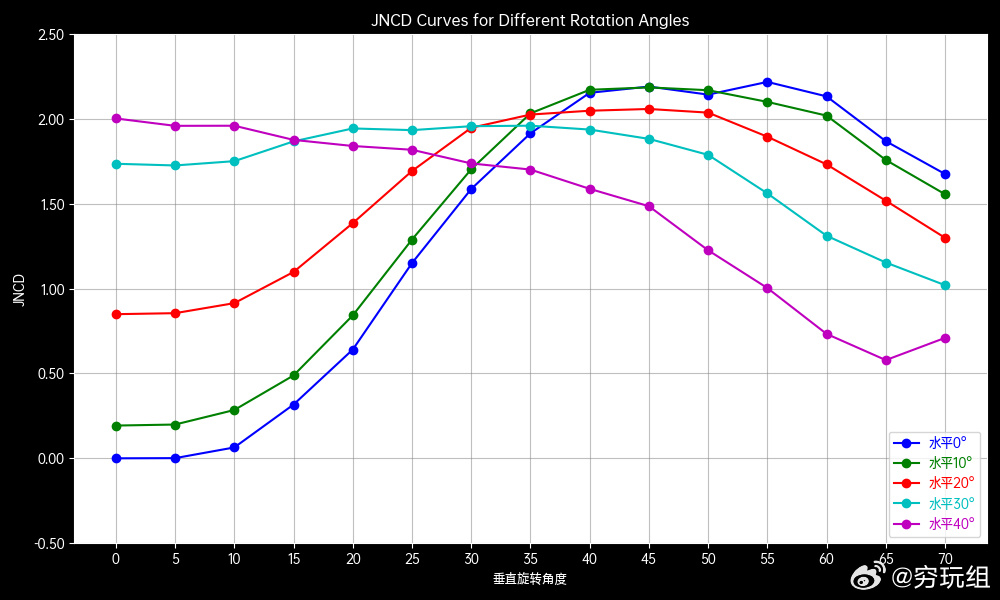
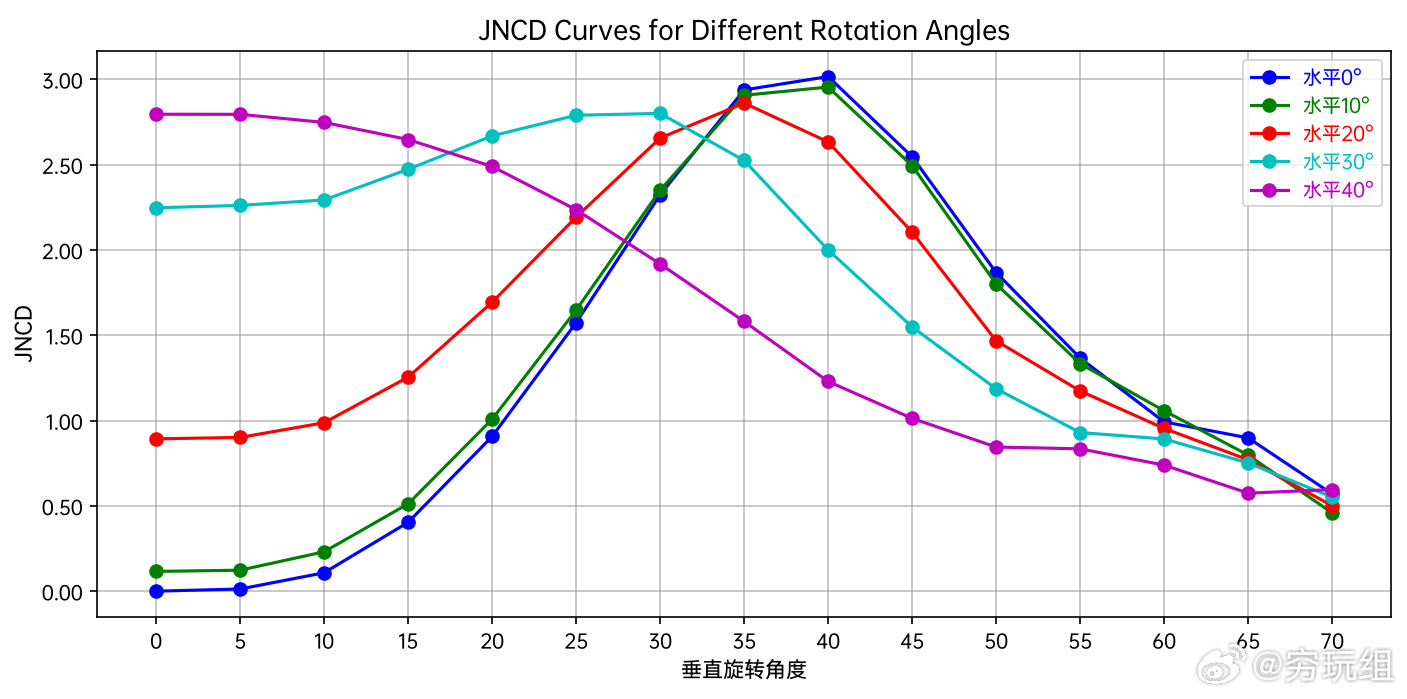
Korean outlet The Elec reports that Apple proposed paying $70 per OLED panel for the iPhone 18 Pro Max, with suppliers potentially pushed as low as $66.50, a cut of roughly 20% from the iPhone 17 Pro Max's reported $80. Samsung's G9N panel had been the standout performer among the panels from Apple's two suppliers, maintaining a clear viewing-angle advantage over LG's equivalent. This year, it looks like just another panel with a major issue at small off-axis angles.
Although no source has confirmed a direct link between the panel pricing and the viewing-angle regression, the lower pricing explain the regression. The iPhone 18 Pro starts at $1,199 in the US; the 1TB and 2TB configurations carry the QLC storage discussed above. As with all third-party testing, results may vary between production batches.
Source(s)
 Add as a preferred source on Google


